By the end of 2029, a system that can take on unfamiliar cognitive work at roughly professional human level, and finish it with light supervision, is unlikely to be an agreed fact in ordinary use. Tools that look general on short tasks, and that take over slices of knowledge work, are already here and will keep spreading. The gap between those two claims is the whole argument.
"Will we have AGI this decade?" is usually asked as if the decade were a long runway. In October 2026 it is not. This decade is the 2020s. It ends on 31 December 2029. From here, the question leaves a little over three years.
It is also asked as if AGI were a single switch. It is a bar. For this article the bar is a system that can take an unfamiliar cognitive job, learn the local context, and do the work at roughly the level of a competent professional, with light supervision. That includes jobs it was not built for. A high score, and a supervised demo, sit below that bar. A related framing, which separates how broad a system is from how good it is at any one task, is set out in Levels of AGI.
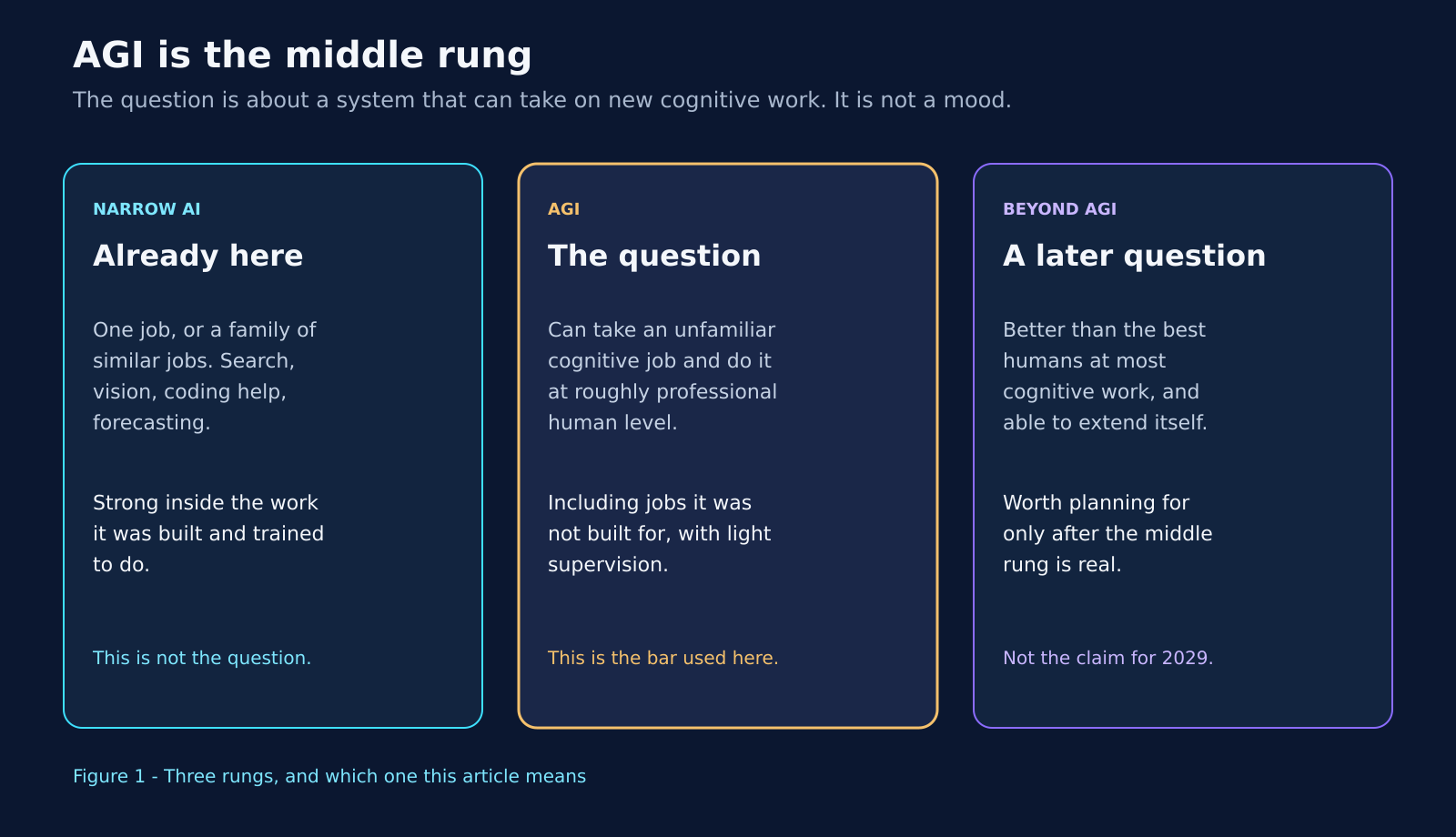
Figure 1. Narrow systems are already here. The claim for this decade is the middle rung.
What is already in hand
The last few years moved models from a novelty to a tool on the desk. They draft, summarise, translate, and write code. Inside a harness they call search, files, and other software. On a short task, in work a person still understands, they are genuinely useful.
That is narrow AI that has become broad. The breadth is what fools people, because the surface looks like general intelligence. The limit shows up when the task gets long, when the domain is new, or when nobody is standing next to the result.
Three gaps matter more than the adjective.
Reliability over days. A system can look general for an hour and wander across a week. Errors compound. On the definition above, AGI has to keep its footing for the length of a real job. On a narrower slice, software and research tasks with automatic checks, success falls as the human time required for the task rises. That measurement is not a test of general intelligence, and the authors say so.
Learning the job in front of it. Most of what these systems know was put there in training. Notes, retrieval, and a harness help. They are not the same as picking up an unfamiliar practice the way a new colleague does. Most learning still happens before the job starts.
Transfer, checking, and cost. A new domain still tends to need a new scaffold: tools, prompts, checks, and a person who knows the failure modes. The system has to test results against the world, not only against its own confidence. The price has to be one that ordinary work can pay. A laboratory run that costs a fortune per task is not yet a colleague.
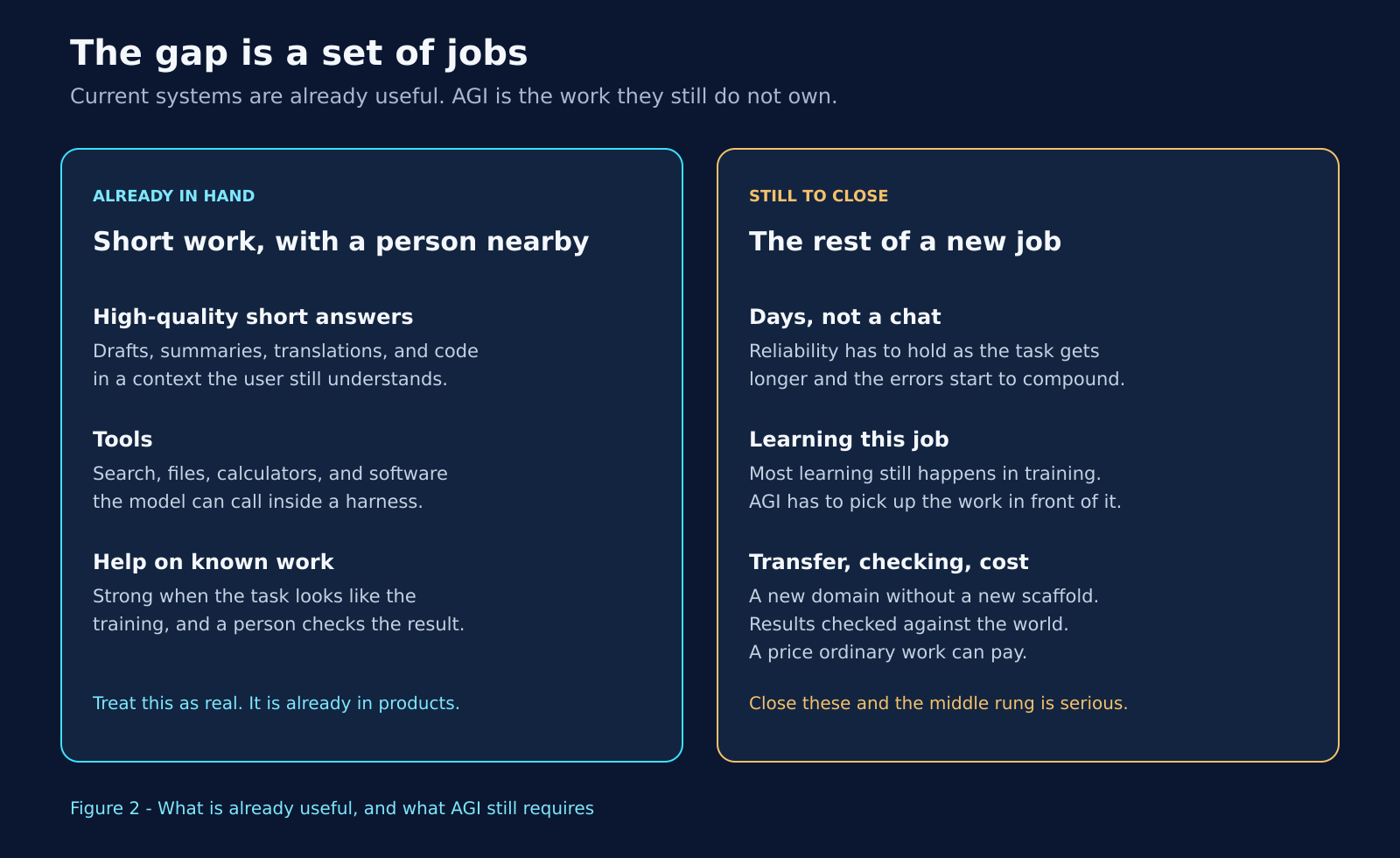
Figure 2. Current systems are already useful. AGI is the work they still do not own.
The calendar the question is actually on
A straight line through recent demos is a way of modelling the pace. It is not a proof. It is the reason a date in 2029 is discussed at all.
If that pace keeps taking new short tasks, three years is a long stretch. Daily work has already changed once in a similar span. If one hard gap stays open, learning on the job, reliability over days, or transfer without a new scaffold, the honest window moves into the 2030s. The tools do not vanish in that case. The middle rung does not get ticked off either.
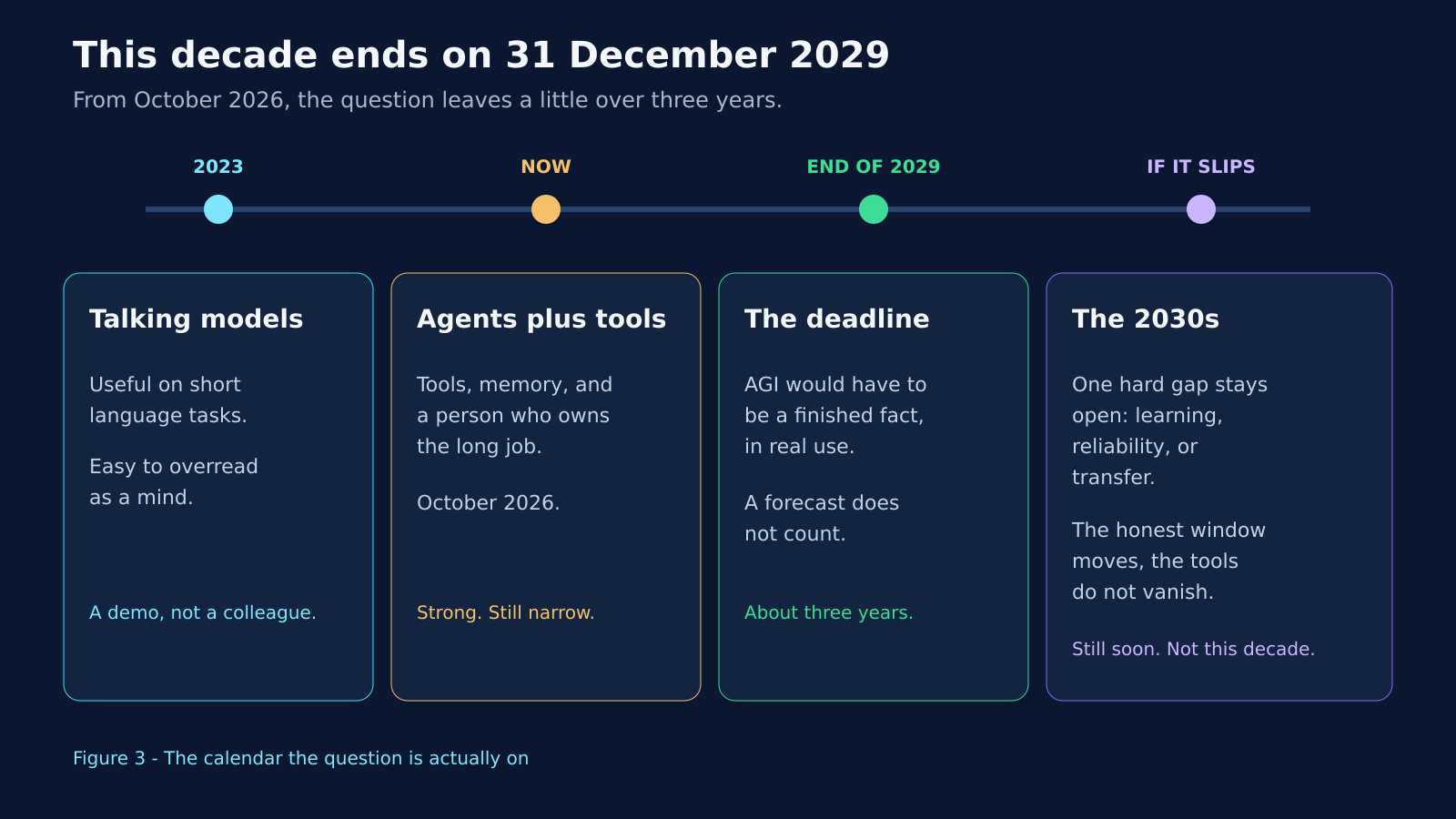
Figure 3. This decade ends on 31 December 2029. From October 2026 that is a little over three years.
Two readings of the same years
The case for a near date is not silly. Capability on short tasks has kept rising as models grow and as software is wrapped around them. The laboratories, and a lot of the buyers, are spending as if the window is this decade. Agents already chain steps that a single chat cannot. Another three years of that behaviour would be a lot.
The case against a near date is about the whole job. Public tests are short, and pieces of them leak into training. A demo often includes a team that chose the tools, the prompts, and the retries. Human level is a bundle of skills, not one number. Putting a system into ordinary organisations takes longer than publishing the model: trust, liability, process, and the dull work of checking.
Published surveys of researchers have disagreed by decades, not by months. The clearest public example is the 2023 survey of 2,778 authors who publish at the major venues. Its aggregate put a 50% chance of high-level machine intelligence, unaided machines better and cheaper than humans at every task, at 2047, and a 50% chance of full automation of labour as late as 2116. The same aggregate put a 10% chance of high-level machine intelligence at 2027. Individuals spread widely around those curves. A minority has consistently said sooner, and that minority has been the better guide to demos. It has not been shown right about the whole job. High-level machine intelligence is also a stricter bar than the one used here. I will not collapse either camp into one percentage for 2029. The disagreement is the evidence, and a single number would hide it.
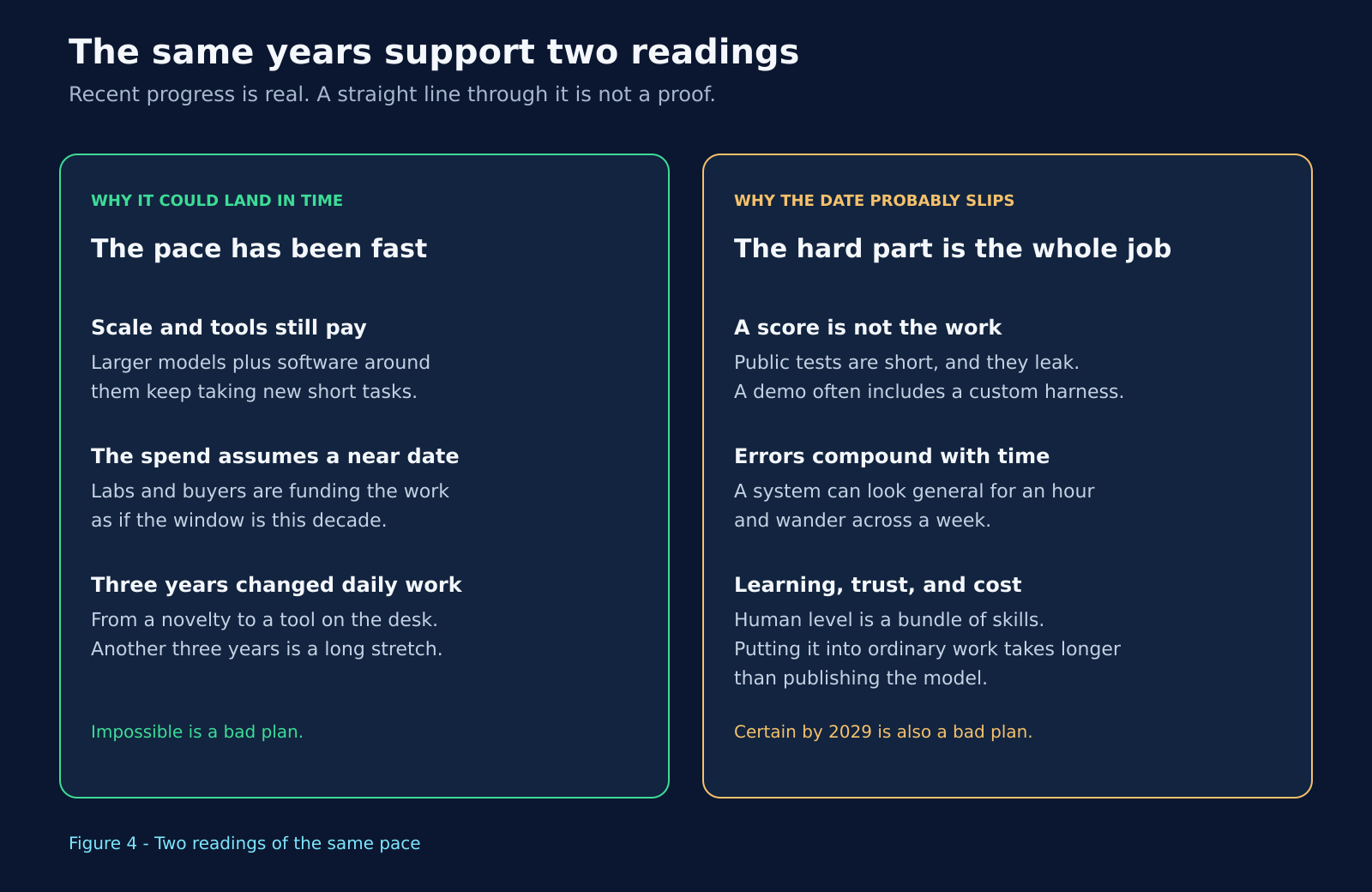
Figure 4. The same pace supports two readings. Impossible is a bad plan. Certain is a bad plan.
What would actually count
Judge a claim by the job handed over.
A high mark on a public test is a signal. It does not settle the question. Tests are short, and pieces of them can leak into training. A familiar task, run inside a custom harness, shows that a team and a model together can complete a step. It does not show that the model can be handed a new job.
The bar here is plainer. A week of unfamiliar professional work. Light supervision. A result you would accept from a competent colleague. One domain done at that standard would be real news. Agreement that it holds across most cognitive work would be the middle rung.
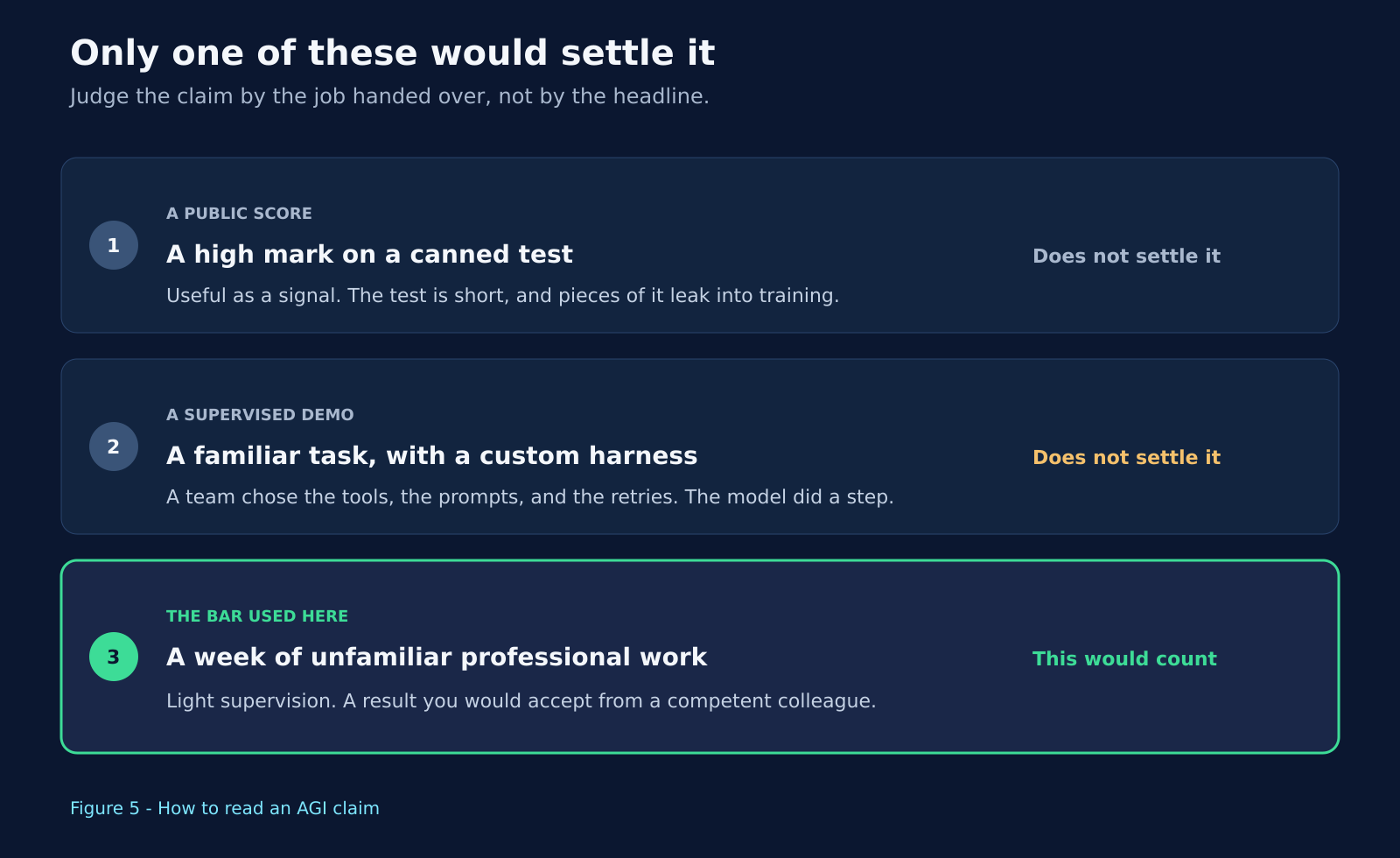
Figure 5. A score and a demo can be impressive. The week of unfamiliar work is the bar.
A working likelihood
Split the question and the answer changes.
Deeper tools for slices of knowledge work. Treat this as certain through 2029. The systems will be more capable than they are now, and they will sit inside more jobs. Planning as if this will not happen is planning against the evidence already on the desk.
A week of unfamiliar work, lightly supervised, in a few domains. Plausible, if reliability and learning on the job improve quickly. Not the default. Not the way to bet the firm.
Agreed AGI, in ordinary use, by 31 December 2029. Unlikely. Informed observers would have to agree that the middle rung is done across most cognitive work, and that ordinary organisations are actually using it that way. The chance is high enough to keep in the scenario set. It is low enough that a date should not be written into the plan as a fact.
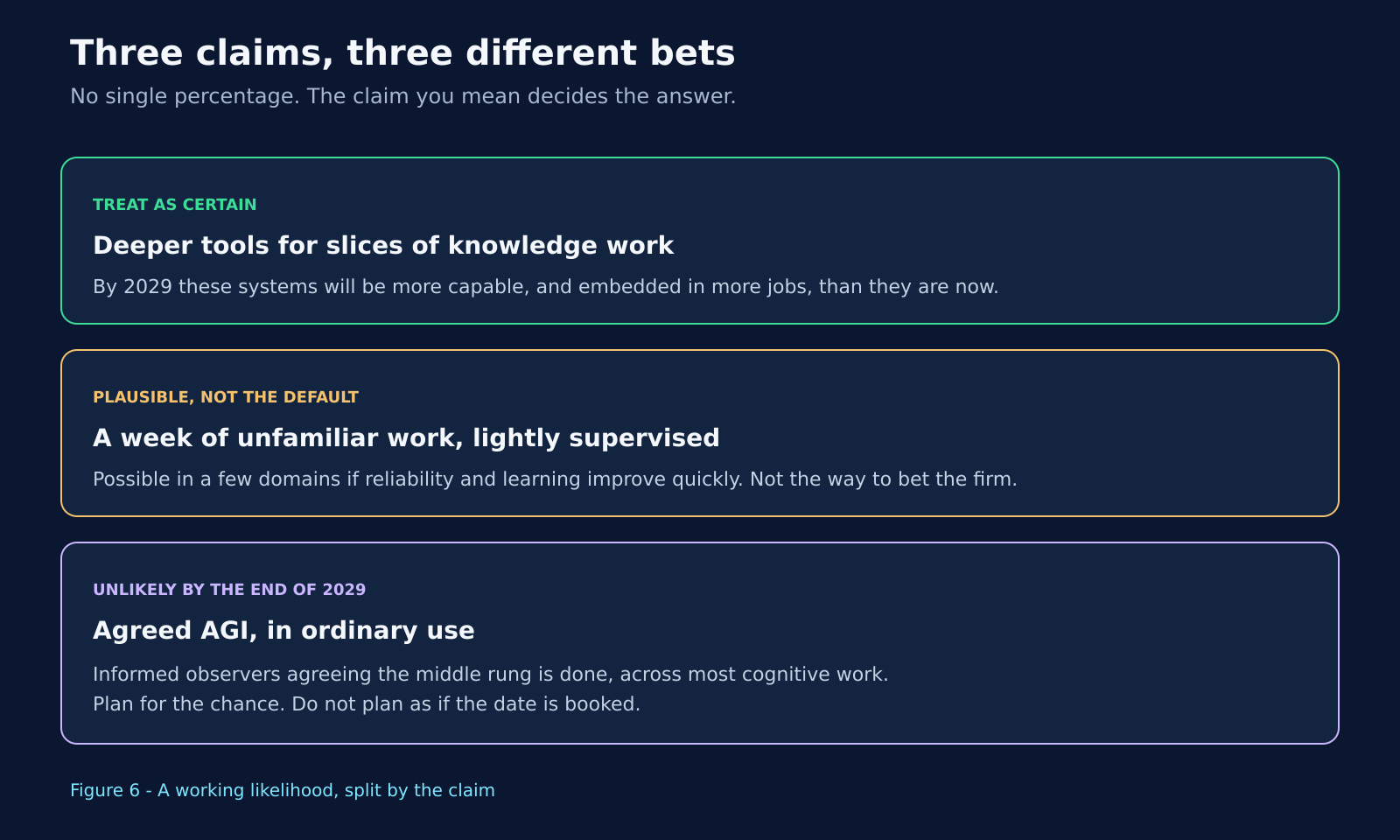
Figure 6. The likelihood depends on which claim you mean.
If you are deciding what to build
Keep the date out of the architecture. Keep the current systems in it.
Measure the job, not the headline. For each agent you run, name the step a person still has to own when the task lasts a week. That step is the boundary. It moves when the evidence moves, not when a launch post says the boundary has gone.
Put the off switch in the platform. A more capable agent is still a system that can continue after the chat that started it has ended. Credentials that expire, a review on the result, and a named owner matter more as the model gets better, not less.
Separate a slice of work from a role. Replacing a slice is a planning problem for this year. Replacing the role is a 2029 question to revisit. Hiring, liability, and process should follow the first until the second is actually true.
Treat the faster path as a scenario. If learning on the job and reliability over days move quicker than this article expects, the middle band becomes the planning case. That is a reason to keep the scaffold easy to change. It is a poor reason to announce that AGI has arrived.
Discussion question: If you had to hand a new week-long job to a system in 2029, which part would you still refuse to delegate, and what would have to be true before you changed your mind?
References
Titles are left as published. The note after each link says what that source is doing in this article.
- Meredith Ringel Morris and colleagues, Levels of AGI for Operationalizing Progress on the Path to AGI (2024). Separates how broad a system is from how well it performs, and treats current systems as uneven rather than generally competent.
- Katja Grace and colleagues, Thousands of AI Authors on the Future of AI (2024). The 2023 survey behind the 2027, 2047, and 2116 figures. Individuals disagreed widely around the aggregate.
- Thomas Kwa and colleagues, Measuring AI Ability to Complete Long Tasks (2025), with the project page at METR. Success on checked software and research tasks falls as the task gets longer. The authors do not treat this as a measure of general intelligence.
- Chunyuan Deng and colleagues, Investigating Data Contamination in Modern Benchmarks for Large Language Models (2024). Why a high public score is a weak way to settle the question: test material can leak into training.
